
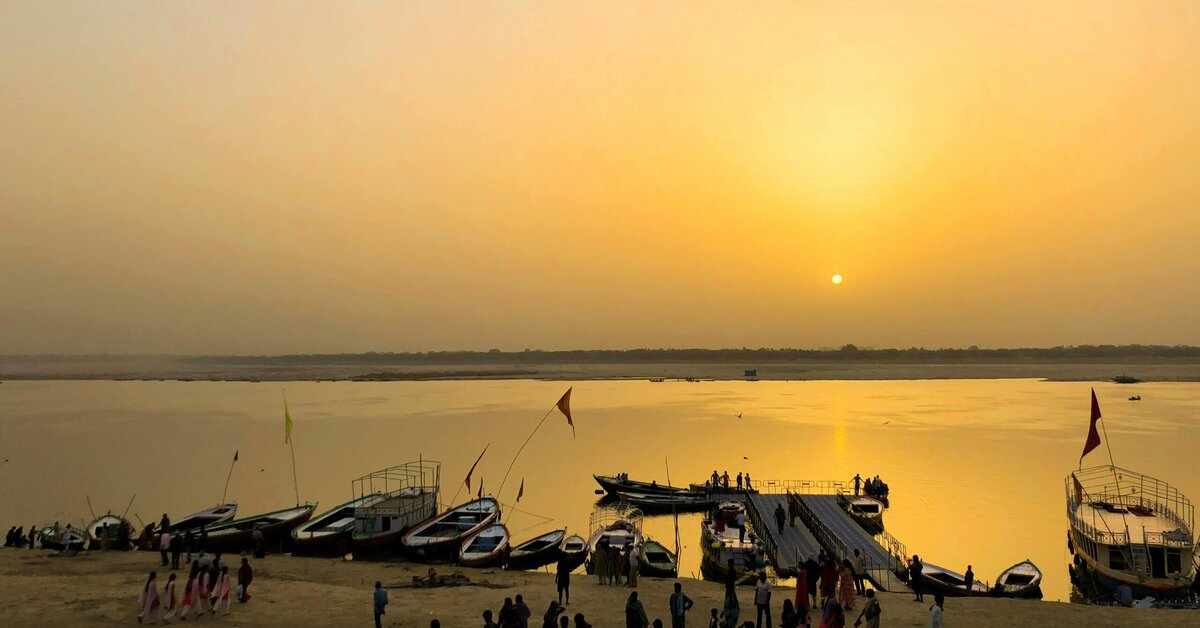
Small Temple Wedding in Varanasi How to Plan , Have you ever dreamed of getting married in one of the world’s oldest living cities, where spirituality flows through every stone and the sacred Ganges witnesses your eternal vows? Planning a small temple wedding in Varanasi isn’t just about exchanging rings—it’s about weaving your love story into the ancient tapestry of India’s spiritual heart. Let me walk you through everything you need to know to make this dream a beautiful reality.
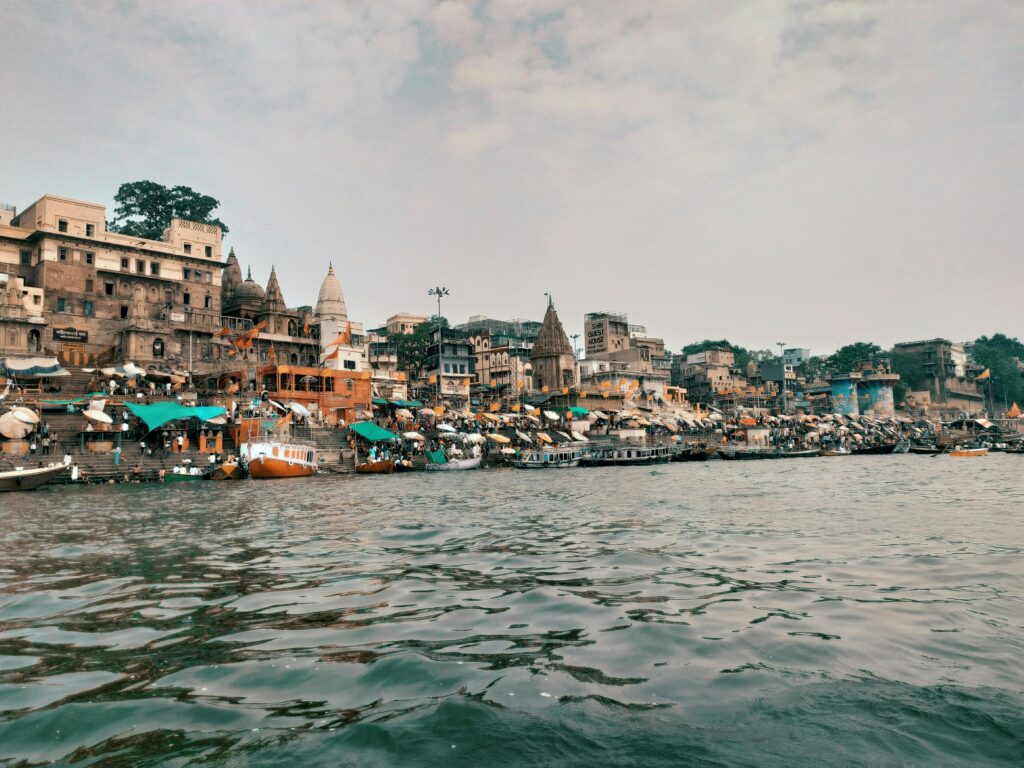
Why Choose Varanasi for Your Temple Wedding?
The Spiritual Significance of Varanasi
Varanasi isn’t just another wedding destination—it’s where heaven touches earth. Known as Kashi, the city of light, Varanasi has been a pilgrimage site for thousands of years. Imagine starting your married life in a place where Lord Shiva himself is believed to reside! The spiritual energy here is palpable, and many couples believe that marriages solemnized in Varanasi’s temples receive divine blessings that last lifetimes.
The city’s connection to moksha (liberation) and its timeless devotion create an atmosphere that transforms a simple wedding into a sacred union. When you marry here, you’re not just joining hands with your partner—you’re connecting with centuries of tradition and spirituality.
Timeless Traditions and Sacred Rituals
Varanasi maintains wedding traditions in their purest form. The priests here follow Vedic rituals with precision and devotion that you won’t find everywhere. From the chanting of ancient mantras to the performance of sacred fire ceremonies, every element carries deep meaning. It’s like having a direct line to your cultural roots, performed by people who’ve dedicated their lives to preserving these traditions.
Benefits of Having a Small Temple Wedding
Intimate and Meaningful Celebrations
Why invite 500 people when the most important person is standing right beside you? Small temple weddings strip away the circus and bring back the sacred. With fewer guests, you can actually enjoy your wedding day, share meaningful moments with those who matter most, and truly feel the spiritual significance of the ceremony.
Think about it—would you rather spend your wedding day greeting distant relatives you barely know, or exchanging heartfelt glances with your closest family members as you take your vows?
Budget-Friendly Wedding Options
Let’s talk money. A small temple wedding in Varanasi can cost a fraction of what you’d spend on a massive hotel wedding. Temple rental fees are minimal (sometimes even free), and with a smaller guest list, your catering, accommodation, and decoration expenses drop dramatically. You could spend that saved money on an amazing honeymoon or your new home together.
Less Stress, More Blessings
Planning a big wedding can feel like organizing a military operation. A small temple wedding? It’s refreshingly simple. Fewer moving parts mean fewer things that can go wrong. You’ll sleep better in the nights leading up to your wedding, and on the big day, you’ll actually be present instead of managing logistics.
Best Temples in Varanasi for Small Weddings
Kashi Vishwanath Temple
The crown jewel of Varanasi, Kashi Vishwanath Temple is dedicated to Lord Shiva and is one of the twelve Jyotirlingas. While getting married here requires special permissions and the temple is often crowded, the spiritual merit is unparalleled. The temple authorities have designated areas for wedding ceremonies, but availability is limited, so book well in advance.
Sankat Mochan Hanuman Temple
If you’re looking for a slightly more accessible option, Sankat Mochan is perfect. This temple, dedicated to Lord Hanuman, has a peaceful atmosphere and welcomes small wedding ceremonies. The temple trust is cooperative with wedding arrangements, and the lush surroundings make for beautiful photographs.
Tulsi Manas Temple
Built in 1964 at the place where Tulsidas wrote the Ramcharitmanas, this temple combines spiritual significance with practical amenities. It’s more spacious than many older temples, making it easier to accommodate a small wedding party. The marble architecture and serene environment create a divine backdrop for your ceremony.
Durga Temple (Durga Kund)
Known for its distinctive red color and resident monkeys, Durga Temple offers a unique setting. The adjacent Durga Kund (pond) adds to the scenic beauty. This temple is less crowded than Kashi Vishwanath, making it easier to arrange a peaceful ceremony.
Legal Requirements for Temple Weddings in Varanasi
Understanding Hindu Marriage Act
In India, Hindu marriages are governed by the Hindu Marriage Act of 1955. The good news? Temple weddings are legally recognized as long as the ceremonies are performed according to customary rites and rituals of either party. The priest conducting your wedding essentially acts as a witness to your union.
Documentation You’ll Need
While the religious ceremony itself doesn’t require extensive paperwork, you’ll want proof of your marriage for legal purposes. Here’s what you should arrange:
- Age proof for both bride and groom (birth certificates, passports, or school leaving certificates)
- Address proof
- Photographs (passport size)
- Two witnesses with valid ID proof
- A marriage certificate issued by the temple (request this in advance)
Many couples also register their marriage under the Hindu Marriage Act by visiting the local registrar office after the ceremony. This gives you a government-issued marriage certificate, which is essential for legal purposes like name changes, visa applications, and joint accounts.
Step-by-Step Guide to Planning Your Temple Wedding
Setting Your Wedding Date
Timing is everything in Hindu weddings. Consult a pandit or use a Hindu calendar to find an auspicious date (muhurat). In Varanasi, certain months are considered more favorable—generally avoid the monsoon season (July-September) for practical reasons, though spiritually, all times are blessed in Kashi.
Consider the weather too. October to March offers pleasant temperatures, making it comfortable for you and your guests. December and January can be chilly in the mornings, so plan accordingly.
Choosing the Right Temple
Visit temples in person before making your decision. What feels right in pictures might not match your vision in reality. Talk to the temple authorities about:
- Availability on your preferred date
- Number of guests allowed
- Facilities available (changing rooms, seating areas)
- Restrictions on photography or decoration
- Fees and donation expectations
Booking the Venue and Priests
Once you’ve chosen your temple, book it officially. Get everything in writing—date, time, duration, and costs. Temple timings can be strict, especially at popular sites, so clarity is crucial.
For the priest, the temple usually has in-house pandits who conduct weddings. However, if you have a family priest or prefer someone specific, check if the temple allows outside priests. Discuss the ceremony details—which rituals will be performed, how long it will take, and what materials you need to arrange.
Guest List Management
This is where “small” becomes important. Most temple venues can comfortably accommodate 20-50 guests. Make your list carefully, inviting only those whose presence is truly meaningful. Remember, this isn’t about who might feel offended—it’s about who will add to the sacredness of your day.
Traditional Wedding Rituals in Varanasi
Pre-Wedding Ceremonies
Varanasi weddings often include several pre-wedding rituals:
- Ganga Snan: A ceremonial bath in the Ganges for purification
- Ganesh Puja: Seeking Lord Ganesha’s blessings to remove obstacles
- Haldi: Turmeric paste application for purification and glow
- Mehendi: Henna application, especially for the bride
These can be performed at your accommodation or at the ghats, adding a deeply local flavor to your wedding celebrations.
The Main Wedding Ceremony
The core ceremony includes:
- Kanyadaan: The bride’s father gives away his daughter
- Vivah Homa: Sacred fire ritual where offerings are made
- Saptapadi: Seven steps around the holy fire, each representing a vow
- Sindoor and Mangalsutra: The groom applies vermillion and ties the sacred thread
In Varanasi, these rituals are performed with particular devotion, accompanied by Vedic chants that echo through the temple halls.
Post-Wedding Rituals
After the ceremony, couples often participate in:
- Aashirwad: Receiving blessings from elders
- Ganga Aarti: Attending the evening aarti as newlyweds
- Temple blessings: Visiting other significant temples in the city
What to Wear for a Varanasi Temple Wedding
Bridal Attire Recommendations
For a temple wedding in Varanasi, traditional is the way to go. A Banarasi silk saree—what could be more appropriate? These handwoven masterpieces are actually made in Varanasi, so you’re literally wearing the city’s heritage. The rich zari work and intricate patterns create a regal look perfect for a sacred ceremony.
Choose colors like red, maroon, pink, or gold. Ensure your saree isn’t too heavy if you’re getting married during warmer months. Accessorize with traditional gold jewelry, but keep it comfortable enough to sit through the ceremony.
Groom’s Traditional Outfit
Grooms typically wear a sherwani or kurta-pajama with a dupatta. Cream, gold, or maroon colors work beautifully against temple backdrops. Many grooms also wear a traditional safa (turban). Local shops in Varanasi offer excellent rental and purchase options for wedding attire.
Since you’ll be sitting on the floor during ceremonies, ensure your outfit is comfortable and allows movement. Cotton or silk blends work better than pure silk if you’re worried about heat.
Guest Dress Code
Inform your guests that temple attire should be modest and traditional. Women should wear sarees, salwar kameez, or lehengas with adequate coverage. Men should opt for kurta-pajamas or traditional Indian wear. Shoulders and knees should be covered, and everyone should bring scarves or dupattas that might be required inside certain temple premises.
Accommodation Options for You and Your Guests
Heritage Hotels and Guesthouses
Varanasi offers stunning heritage properties that provide an authentic experience. Places like Brijrama Palace, Suryauday Haveli, and Ganges View Hotel combine traditional architecture with modern comfort. These properties often sit along the ghats, giving you that magical Ganges view right from your room.
Heritage guesthouses in the old city lanes offer charm and intimacy. They’re perfect for small wedding parties who want to stay together and experience Varanasi’s authentic character.
Budget-Friendly Stays
For guests on a budget, Varanasi has numerous clean, comfortable guesthouses and hostels. Areas like Assi Ghat and Dashashwamedh Ghat have plenty of affordable options. Zostel, Moustache Hostel, and various family-run guesthouses offer good value without compromising on experience.
Luxury Options
If you’re looking to splurge, the Taj Gateway Hotel and Radisson Hotel provide luxury amenities while still keeping you close to the spiritual heart of the city. These hotels can also assist with wedding arrangements and have elegant spaces for pre or post-wedding gatherings.
Local Vendors and Services
Finding Reliable Photographers
Varanasi has talented photographers who specialize in wedding photography and understand how to capture the spiritual essence of temple ceremonies. Look for photographers who’ve worked in temples before—they’ll know the lighting challenges and best angles.
Ask to see portfolios of previous temple weddings. The right photographer will capture not just poses, but the genuine emotions and sacred moments that make your wedding special. Budget around ₹20,000 to ₹80,000 depending on the package and photographer’s experience.
Catering Services in Varanasi
For post-ceremony meals, Varanasi offers excellent catering options. Since many temples don’t allow outside food on premises, plan your meal at your accommodation or a nearby venue. Traditional Banarasi cuisine—chaat, kachori, rabri, and satvik thali—makes for an authentic and delicious feast.
Popular caterers include Brown Bread Bakery, Baati Chokha restaurants, and various local caterers who specialize in wedding meals. For a small wedding of 30-40 people, expect to spend ₹300-800 per plate depending on the menu.
Floral Decorations and Mandap Setup
Temple weddings usually don’t require elaborate decorations—the temple itself is the decoration. However, you’ll need flowers for the ceremony and perhaps a small mandap if the temple doesn’t have a permanent one.
Local flower markets like Godowlia and shops near temples offer fresh marigolds, roses, and jasmine at reasonable prices. Simple, elegant decorations work best in temple settings. A good decorator will enhance rather than overpower the sacred atmosphere.
Transportation and Logistics
Getting to Varanasi
Varanasi is well-connected by air, rail, and road. Lal Bahadur Shastri International Airport has flights from major Indian cities and some international destinations. The city has two main railway stations—Varanasi Junction and Varanasi City—with trains from across India.
For guests traveling from abroad, Delhi or Mumbai serve as convenient entry points with onward connections to Varanasi.
Local Transportation for Guests
The narrow lanes of old Varanasi don’t accommodate large vehicles. Arrange for:
- Auto-rickshaws or e-rickshaws for short distances
- Cycle rickshaws for the old city experience
- Hired cars or vans for airport/station pickups
- Boat rides on the Ganges for a memorable experience
Many hotels and guesthouses offer airport pickup services. If your temple is in the old city, guests might need to walk the last few minutes through the galis (lanes)—warn them about this and recommend comfortable footwear.
Budget Planning for Your Small Temple Wedding
Breaking Down the Costs
Let’s talk numbers. A small temple wedding in Varanasi for 30-40 guests can be organized within ₹1,50,000 to ₹4,00,000, depending on your choices. Here’s a rough breakdown:
- Temple booking and priest: ₹10,000-50,000
- Wedding attire: ₹30,000-1,50,000
- Photography/Videography: ₹20,000-80,000
- Guest accommodation (2 nights): ₹60,000-1,50,000
- Catering (one main meal): ₹15,000-35,000
- Decorations and flowers: ₹10,000-30,000
- Miscellaneous (invitations, transport, etc.): ₹15,000-40,000
These are estimates and can vary based on your preferences and the vendors you choose.
Money-Saving Tips
Want to stretch your budget further? Here’s how:
- Off-season weddings: March-April and September-October are slightly less expensive than peak winter months
- Weekday ceremonies: Some vendors offer better rates for weekday bookings
- Bundle services: Some hotels offer wedding packages that include accommodation, meals, and basic decoration
- Local shopping: Buy your ceremonial items, flowers, and decorations from local markets rather than through vendors
- Digital invitations: Beautiful e-invites save money and are more eco-friendly
- Limit the menu: A simple, traditional satvik meal can be more meaningful than an elaborate spread
Cultural Etiquette and Customs to Remember
Respecting local customs ensures smooth sailing. Here are key points:
- Remove footwear: Shoes must be removed before entering temple premises
- Modest dress: Everyone should dress conservatively
- Photography rules: Many temples restrict photography inside the sanctum; always ask first
- Silence during rituals: Maintain a reverent atmosphere during the ceremony
- Respect the Ganges: If participating in Ganga rituals, understand their significance
- Donations: It’s customary to make a donation to the temple; discuss appropriate amounts with the temple authorities
- Punctuality: Indian weddings may have flexible timing, but temples often don’t—arrive on time
Making Your Wedding Memorable
Adding Personal Touches
Even within traditional frameworks, you can add personal elements. Write your own vows to exchange privately after the formal ceremony. Create a small booklet explaining the significance of each ritual for guests unfamiliar with Hindu weddings. Commission a local artist to paint your wedding invitation or create a custom Ganesha idol.
Consider incorporating music—live Banarasi classical music or tabla players can elevate the atmosphere. Some couples also light diyas (oil lamps) at the ghats as a symbolic gesture.
Capturing the Moments
Beyond professional photography, consider:
- Guest journal: A beautiful book where guests can write wishes and memories
- Disposable cameras: Place them on tables for candid guest perspectives
- Video messages: Set up a corner where guests can record video blessings
- Sunrise or sunset photo session: The golden hour on the ghats creates magical photographs
Post-Wedding Activities in Varanasi
Ganga Aarti Experience
Don’t miss the evening Ganga Aarti at Dashashwamedh Ghat—attending it as newlyweds adds another layer of blessing to your union. The synchronized prayers, the sound of bells, the fragrance of incense, and thousands of lamps glowing against the river create an unforgettable spiritual experience.
You can watch from the ghat itself or book a boat to view it from the river—the perspective from the water is absolutely mesmerizing.
Exploring the Ghats
Take morning boat rides along the ghats. The sunrise over the Ganges, with temples reflecting in the water and the sounds of morning prayers, is pure poetry. Visit Assi Ghat for a more peaceful experience, or explore Manikarnika Ghat to witness the cycle of life and death that makes Varanasi so profound.
Walk through the old city lanes, taste the famous Banarasi paan and lassi, shop for silk sarees and brassware. These experiences will become cherished memories tied to your wedding.
Conclusion
Planning a small temple wedding in Varanasi is more than organizing an event—it’s creating a sacred beginning to your married life in one of the world’s most spiritual cities. From choosing the perfect temple to coordinating with priests, from selecting traditional attire to managing your intimate guest list, each step brings you closer to a ceremony that’s both deeply meaningful and beautifully simple.
Varanasi teaches us that the most profound moments don’t require grand gestures—they require genuine presence, sincere devotion, and hearts open to receive blessings. Your small temple wedding here will strip away the unnecessary, leaving only what truly matters: two souls uniting under divine witness, surrounded by those who love them most.
The memories you create in Varanasi’s ancient temples will last lifetimes, and the spiritual foundation you build here will strengthen your marriage for years to come. So take that leap of faith, let the Ganges witness your vows, and begin your forever in the eternal city of light.
FAQs
1. How far in advance should I book a temple for my wedding in Varanasi?
Book at least 3-6 months in advance, especially if you’re targeting peak wedding season (November-February). Popular temples like Kashi Vishwanath require even earlier booking due to high demand. This timeframe also gives you breathing room to arrange accommodation, vendors, and guest travel without rushing.
2. Can non-Hindus get married in Varanasi temples?
Most temples in Varanasi conduct weddings according to Hindu rituals, which require at least one partner to be Hindu. However, some temples may accommodate interfaith couples if both partners agree to follow Hindu wedding customs. It’s best to discuss your specific situation with temple authorities well in advance. For legal recognition of interfaith marriages, consider the Special Marriage Act.
3. What’s the best time of year for a temple wedding in Varanasi?
October through March offers the most pleasant weather, with November to February being peak season. October and March provide a sweet spot—good weather with slightly fewer crowds and better vendor availability. Avoid the monsoon season (July-September) due to heavy rains and humidity, and the intense summer heat of April through June.
4. How much does a small temple wedding in Varanasi typically cost?
A small temple wedding for 30-40 guests can range from ₹1,50,000 to ₹4,00,000, depending on your choices for accommodation, photography, attire, and catering. Budget-conscious couples can manage within ₹1-1.5 lakhs by choosing modest options, while those wanting more luxurious experiences might spend ₹3-5 lakhs. The beauty is that even minimal budgets can create deeply meaningful ceremonies.
5. Do I need to speak Hindi to coordinate a temple wedding in Varanasi?
While knowing Hindi helps, it’s not essential. Many priests, vendors, and service providers in Varanasi work regularly with tourists and can communicate in basic English. However, having a local coordinator, wedding planner, or even a trusted friend who speaks Hindi can smooth out communication and help you navigate negotiations, understand cultural nuances, and ensure nothing gets lost in translation.




Comments are closed.